Maintaining a Cessna 100 Series requires diligent adherence to the official service manual‚ dated up to 2007‚ for safe and reliable operation.
Overview of the Cessna 100 Series
The Cessna 100 Series‚ encompassing models from 1953 through 1968‚ represents a significant era in general aviation. These aircraft‚ known for their simplicity and reliability‚ require consistent maintenance to uphold their airworthiness. Understanding the specific nuances of each model within the series is crucial. The 100‚ 100A‚ 150‚ and 150A all share commonalities‚ yet possess unique characteristics demanding tailored maintenance approaches.
Proper maintenance relies heavily on the official Cessna service manual‚ a comprehensive guide detailing inspection intervals‚ repair procedures‚ and component specifications. These manuals‚ particularly those dated up to 2007‚ are essential resources for owners and mechanics alike‚ ensuring adherence to FAA regulations and Cessna’s engineering standards.
Importance of a Maintenance Manual
A Cessna 100 Series maintenance manual isn’t merely a suggestion; it’s a necessity for safe and legally compliant aircraft operation. FAA regulations mandate adherence to approved maintenance procedures‚ and the official Cessna manual provides precisely that. It details critical inspection checklists – 25-hour and 100-hour – ensuring timely identification of potential issues.
Furthermore‚ the manual outlines specific procedures for engine maintenance (Lycoming O-300 specifics)‚ systems troubleshooting‚ and airframe inspections. Utilizing the manual guarantees repairs are performed correctly‚ using the appropriate parts and techniques. Ignoring the manual risks compromising airworthiness‚ potentially leading to accidents and legal repercussions. Accessing and understanding manual revisions‚ up to 2007‚ is paramount.
Locating and Understanding the Manual
Finding the official Cessna 100 Series service manual is crucial‚ with FAA-approved technical data available as early as 2003‚ and later editions.
Finding the Official Cessna 100 Series Service Manual
Locating the correct Cessna 100 Series service manual is the first step in proper aircraft maintenance. These manuals‚ covering models from 1953 through 1968‚ and even extending to 1962‚ are essential resources. Online forums suggest the 100 series manual is often found alongside the Illustrated Parts Catalog (IPC).
Be aware that multiple revisions exist; ensure you have a version approved by the Federal Aviation Administration (FAA)‚ as noted in documentation dating back to at least 2003. Accessing these manuals may involve searching aviation parts suppliers‚ online marketplaces specializing in aircraft documentation‚ or contacting Cessna directly. Careful attention to document numbers and revision dates is paramount for accurate maintenance procedures.
Understanding Manual Revisions and Updates (Dated up to 2007)
Cessna 100 Series service manuals underwent revisions over the years‚ reflecting design changes‚ updated procedures‚ and FAA Airworthiness Directives. It’s crucial to understand that manuals dated up to 2007 represent the most current officially sanctioned information available for these older aircraft. Earlier editions may contain outdated or incorrect data‚ potentially compromising safety.
Always verify the revision date and any accompanying supplement sheets. These supplements address specific issues or modifications. Documentation from 2003 confirms FAA approval of technical data within these manuals. Staying current with these updates is vital for compliant and effective maintenance‚ ensuring continued airworthiness and operational reliability of your Cessna 100.
Interpreting Cessna Document Numbers
Cessna utilizes a specific numbering system for its documentation‚ crucial for identifying the correct manual and revisions. Understanding this system ensures you’re referencing the appropriate information for your aircraft’s configuration and year of manufacture. These numbers often indicate the model series (like 100)‚ the type of document (service manual‚ parts catalog – IPC)‚ and the revision level.
Carefully examine the document number on the cover and throughout the manual. Cross-referencing with Cessna’s documentation lists‚ if available‚ can confirm authenticity and applicability. The 2003 documentation highlights the importance of using approved technical data. Correct interpretation prevents using outdated or incorrect procedures‚ maintaining safety and regulatory compliance during maintenance activities.

Routine Maintenance Procedures
Regular inspections‚ like the 25 and 100-hour checks‚ are vital for Cessna 100 Series airworthiness‚ alongside oil changes and filter replacements.
25-Hour Inspection Checklists
The 25-hour inspection‚ a cornerstone of Cessna 100 Series maintenance‚ focuses on preventative measures and early detection of potential issues. This checklist‚ detailed within the service manual‚ prioritizes visual inspections of critical components. Key areas include control surfaces – ailerons‚ elevator‚ and rudder – checking for freedom of movement‚ security of hinges‚ and any signs of fabric damage if applicable.
Inspect the engine oil level and condition‚ looking for any metallic sheen or discoloration. Examine fuel lines and connections for leaks or deterioration. Thoroughly check the propeller for nicks‚ dents‚ or cracks. Tire pressure and condition are also crucial‚ alongside brake functionality. Don’t forget a comprehensive review of the aircraft’s documentation‚ ensuring all discrepancies are addressed. Proper completion and documentation of this inspection are paramount for continued safe flight.
100-Hour Inspection Checklists
The 100-hour inspection‚ as outlined in the Cessna 100 Series service manual‚ represents a more in-depth assessment than the 25-hour check. It encompasses all items from the 25-hour inspection‚ plus additional‚ more detailed examinations. This includes a thorough inspection of the engine mount for cracks or corrosion‚ and a detailed check of all flight control cables for wear‚ fraying‚ and proper tension.
Furthermore‚ the 100-hour inspection requires a comprehensive review of the fuel system‚ including tanks‚ lines‚ and carburetor‚ searching for leaks or obstructions. Landing gear components are scrutinized for wear and proper function. A detailed inspection of the airframe for any signs of structural damage is also essential. Accurate record-keeping and meticulous documentation of all findings are critical for maintaining airworthiness.
Oil Change Procedures
The Cessna 100 Series service manual details a specific procedure for oil changes‚ crucial for engine longevity. Begin by warming the engine to operating temperature‚ then shut it down. Position a drain pan beneath the oil drain plug‚ and carefully remove the plug‚ allowing the oil to fully drain. Replace the oil filter with a new one‚ ensuring the gasket is properly lubricated.
Next‚ reinstall the drain plug with a new gasket‚ torquing it to the manufacturer’s specification. Add the correct quantity and grade of oil‚ as specified in the manual‚ using a calibrated oil measuring device. After adding oil‚ run the engine briefly and recheck the oil level. Document the oil change in the aircraft’s logbook‚ noting the date‚ oil type‚ and quantity used.
Filter Replacement (Oil‚ Fuel‚ Air)
The Cessna 100 Series maintenance manual outlines procedures for replacing oil‚ fuel‚ and air filters. Oil filter replacement typically occurs during an oil change‚ requiring careful removal and installation with a lubricated gasket. Fuel filter replacement involves draining the fuel tanks partially‚ disconnecting fuel lines‚ and installing a new filter‚ ensuring proper sealing to prevent leaks.
Air filter replacement is generally straightforward‚ involving removing the filter housing and installing a new filter element. Always refer to the manual for specific filter types and torque specifications. Proper filter maintenance ensures clean oil‚ fuel‚ and air supply to the engine‚ maximizing performance and preventing damage. Log all filter replacements in the aircraft’s maintenance records.
Engine Maintenance
The Cessna 100 Series manual details Lycoming O-300 engine care‚ including spark plug checks‚ magneto timing‚ and carburetor cleaning for optimal performance.
Lycoming O-300 Engine Specifics
The Lycoming O-300 engine‚ powering many Cessna 100 Series aircraft‚ demands precise maintenance as outlined in the service manual. This four-cylinder‚ normally aspirated engine requires careful attention to oil levels and quality‚ utilizing oil change procedures detailed within. Regular inspection of spark plugs is crucial‚ noting electrode condition and gap settings for efficient combustion. Magneto maintenance‚ including point gap and timing adjustments‚ ensures reliable ignition.
Furthermore‚ the manual provides guidance on carburetor cleaning and adjustment‚ vital for proper fuel-air mixture control. Cylinder compression checks are essential for assessing engine health‚ and valve train inspections identify potential wear. Adherence to recommended torque values during assembly is paramount‚ preventing leaks and ensuring structural integrity. Proper engine operation relies heavily on following the Cessna 100 Series service manual’s specific instructions.
Spark Plug Inspection and Replacement
The Cessna 100 Series service manual details critical procedures for spark plug inspection and replacement‚ vital for optimal engine performance. Regular inspection‚ typically during the 500-hour mark or as condition dictates‚ involves checking for electrode wear‚ fouling‚ and proper gap settings. The manual specifies acceptable wear limits and provides guidance on interpreting plug condition to diagnose potential engine issues like rich or lean mixtures.
Replacement requires using the correct spark plug type‚ as specified in the manual‚ and adhering to precise torque specifications during installation. Improper torque can lead to compression leaks or plug damage. Careful cleaning of the spark plug wells is also essential to prevent contamination. Following these procedures ensures reliable ignition and maximizes engine efficiency‚ contributing to safe flight operations.
Magneto Maintenance and Timing
The Cessna 100 Series service manual emphasizes meticulous magneto maintenance and timing procedures for consistent engine ignition. Regular inspections‚ typically during the 500-hour interval‚ involve checking magneto condition‚ points gap‚ and overall functionality. The manual details specific procedures for cleaning‚ lubricating‚ and adjusting magneto components to ensure reliable operation.
Precise timing is crucial; the manual provides detailed instructions for static and dynamic timing adjustments. Improper timing can lead to reduced engine power‚ increased fuel consumption‚ and potential engine damage. Utilizing specialized tools‚ as outlined in the manual‚ is essential for accurate adjustments. Proper magneto maintenance and timing contribute significantly to engine reliability and flight safety.
Carburetor Cleaning and Adjustment
The Cessna 100 Series service manual dedicates significant attention to carburetor maintenance‚ vital for consistent engine performance. Regular cleaning‚ typically during the annual or 500-hour inspection‚ removes deposits that can restrict airflow and affect mixture control. The manual details a step-by-step disassembly and cleaning process‚ specifying approved cleaning solvents and techniques.
Adjustment procedures are equally critical‚ ensuring proper idle speed‚ mixture settings‚ and throttle response. The manual provides precise specifications and methods for adjusting carburetor components. Improper adjustments can lead to rough running‚ poor fuel economy‚ and potential engine failure. Following the manual’s guidance ensures optimal carburetor function and reliable engine operation.

Airframe Maintenance
The Cessna 100 Series manual outlines detailed airframe inspections‚ covering control cables‚ wing structures‚ fuselage integrity‚ and landing gear upkeep for safety.
Control Cable Inspection and Adjustment
Thorough control cable inspection is paramount for safe Cessna 100 Series operation‚ as detailed within the service manual. This involves a meticulous examination of cables for fraying‚ kinking‚ corrosion‚ and proper tension. The manual specifies precise procedures for checking cable travel and ensuring smooth‚ unrestricted movement of control surfaces.
Adjustment procedures are clearly outlined‚ emphasizing the importance of maintaining correct control surface deflection. Proper adjustment prevents control stiffness or looseness‚ contributing to precise aircraft handling. Lubrication schedules for control cables are also provided‚ utilizing approved lubricants to minimize friction and corrosion. Any damaged or worn cables must be replaced according to the manual’s specifications‚ prioritizing flight safety above all else.
Wing Inspection for Corrosion and Damage
Regular wing inspections‚ as detailed in the Cessna 100 Series service manual‚ are crucial for structural integrity. These inspections focus on identifying corrosion‚ cracks‚ dents‚ and any other form of damage to the wing structure‚ including spars‚ ribs‚ and skin. The manual provides specific guidance on areas prone to corrosion‚ particularly around fuel tanks and control surface hinges;
Detailed procedures outline non-destructive testing methods‚ such as visual inspection with magnification‚ to detect subtle cracks. Any identified damage must be assessed according to the manual’s limitations and repaired by qualified personnel. Proper corrosion treatment and preventative measures‚ like protective coatings‚ are also emphasized to extend the wing’s lifespan and maintain flight safety.
Fuselage Inspection for Cracks
The Cessna 100 Series service manual dedicates significant attention to fuselage crack detection and repair. Inspections focus on high-stress areas like window frames‚ door openings‚ station bulkheads‚ and areas around antenna installations. The manual details specific inspection techniques‚ including visual checks and potentially dye penetrant inspections‚ to identify cracks that may not be visible to the naked eye.
Access panels are strategically located to facilitate thorough inspection of internal structures. The manual provides guidance on acceptable crack sizes and repair procedures‚ emphasizing the importance of proper repair techniques to restore structural integrity. Any cracks exceeding established limits require immediate attention and repair by a certified aircraft mechanic‚ ensuring continued airworthiness and safety.
Landing Gear Maintenance
The Cessna 100 Series landing gear requires regular maintenance detailed within the service manual to ensure safe operation. Inspections encompass the main landing gear struts‚ wheels‚ tires‚ brakes‚ and associated hardware. Emphasis is placed on checking for corrosion‚ cracks‚ and proper lubrication of all moving parts. Tire pressure and wear are critical aspects of the inspection‚ alongside brake pad thickness and hydraulic fluid levels.
The manual outlines procedures for servicing the brakes‚ including bleeding the brake lines and replacing worn components. Detailed torque specifications are provided for all fasteners. Any discrepancies discovered during inspection must be addressed promptly‚ adhering to the manual’s guidelines for repair or replacement‚ maintaining the aircraft’s structural integrity and operational safety.

Systems Maintenance
The Cessna 100 Series manual details electrical‚ fuel‚ and hydraulic system upkeep (if equipped)‚ emphasizing troubleshooting and preventative maintenance procedures for reliability.
Electrical System Troubleshooting
Effective troubleshooting of the Cessna 100 Series electrical system‚ as outlined in the service manual‚ begins with a systematic approach. Start by verifying power sources – battery condition and alternator output are critical. Inspect all wiring harnesses for damage‚ corrosion‚ or loose connections‚ paying close attention to areas prone to vibration. Utilize a multimeter to check continuity and voltage at various points within the circuit.
The manual provides detailed schematics for identifying components and tracing wiring paths. Common issues include faulty circuit breakers‚ corroded terminals‚ and failing components like lights or switches. Remember to always disconnect the battery before working on the electrical system to prevent shorts. Proper use of the service manual’s guidance ensures safe and accurate diagnosis and repair.
Fuel System Inspection and Maintenance
Maintaining the Cessna 100 Series fuel system‚ per the service manual‚ is paramount for flight safety. Begin with a thorough visual inspection of all fuel lines‚ tanks‚ and connections for leaks‚ cracks‚ or damage. Drain fuel samples from all tanks and sumps to check for water or contaminants; sediment bowls require regular attention. Inspect fuel caps for proper sealing and vent functionality.
The manual details procedures for cleaning fuel strainers and checking fuel pressure. Pay close attention to the carburetor and fuel pump‚ ensuring they are free from obstructions. Proper fuel system maintenance prevents engine failures and ensures optimal performance. Always adhere to the manual’s recommendations for fuel types and storage procedures.
Hydraulic System (If Equipped) Maintenance
For Cessna 100 Series aircraft equipped with a hydraulic system – a less common configuration – the service manual outlines specific maintenance procedures. Begin by inspecting all hydraulic lines and fittings for leaks‚ damage‚ or corrosion. Check the hydraulic fluid level and condition‚ ensuring it meets the manufacturer’s specifications. Regularly inspect the hydraulic pump and reservoir for proper operation and contamination.
The manual details procedures for bleeding the hydraulic system to remove air and maintaining proper fluid pressure. Inspect control surfaces actuated by the hydraulic system for smooth and accurate movement. Adherence to the manual’s recommendations is crucial for reliable operation and preventing hydraulic failures‚ ensuring safe flight control.
Inspection and Repair Details
The Cessna 100 Series manual provides detailed guidance on detecting and repairing cracks‚ corrosion prevention‚ and fabric covering inspection if applicable.
Detecting and Repairing Cracks (Access and Detectable Cracks)
The Cessna 100 Series service manual emphasizes thorough crack detection during inspections. Access panels must be removed to inspect underlying structures for any signs of cracking. Particular attention should be given to areas around highly stressed components‚ such as the fuselage‚ wing spars‚ and control surfaces. Detectable cracks may appear as hairline fractures or more significant separations in the material.
Repair procedures outlined in the manual depend on the size and location of the crack. Small cracks may be repairable using approved patching techniques‚ while larger or more critical cracks may necessitate component replacement. Always consult the manual for specific repair instructions and limitations. Proper documentation of all crack repairs in the aircraft’s logbooks is crucial for maintaining airworthiness.
Corrosion Prevention and Treatment
The Cessna 100 Series service manual highlights the importance of proactive corrosion prevention. Regular inspections are vital‚ focusing on areas susceptible to moisture and salt exposure‚ like the airframe‚ landing gear‚ and control cables. Protective coatings and corrosion inhibitors should be applied as preventative measures‚ following the manual’s recommendations for approved products and application techniques.
When corrosion is detected‚ the manual details specific treatment procedures. These range from cleaning and neutralizing affected areas to applying corrosion-inhibiting compounds and‚ in severe cases‚ component replacement. Proper surface preparation is crucial for effective treatment. Detailed record-keeping of all corrosion treatment actions in the aircraft’s logbooks is essential for maintaining airworthiness and demonstrating ongoing maintenance.
Fabric Covering Inspection and Repair (If Applicable)
For Cessna 100 Series aircraft equipped with fabric covering‚ the service manual provides detailed inspection procedures. These inspections focus on identifying damage such as tears‚ punctures‚ deterioration‚ and loose stitching. Regular checks are crucial‚ especially after flight in adverse weather or prolonged exposure to the elements; The manual specifies acceptable damage limits and repair techniques.
Repair procedures outlined in the manual cover patching‚ rib stitching‚ and fabric replacement. Approved materials and methods must be strictly adhered to‚ ensuring the structural integrity of the covering is maintained. All repairs must be documented meticulously in the aircraft’s logbooks‚ including details of the materials used and the work performed. Improper repairs can compromise flight safety.

Ground Handling and Servicing
The Cessna 100 Series manual details proper towing procedures‚ lubrication schedules‚ and specific lubrication points for optimal aircraft ground operations and servicing.
Aircraft Towing Procedures
Proper aircraft towing is crucial to prevent damage to the Cessna 100 Series. The service manual emphasizes using an approved tow bar correctly attached to the designated tow points on the aircraft. Before towing‚ ensure the area is clear of obstructions and personnel.
Carefully inspect the tow bar for any defects before each use. Slow‚ controlled movements are essential during towing‚ avoiding abrupt turns or jerks. The manual details specific procedures for nosewheel steering and brake application during towing operations.
Additionally‚ it stresses the importance of communication between the tow operator and anyone assisting‚ utilizing clear hand signals. Never exceed the maximum towing speed specified in the manual‚ and always be mindful of ground conditions.
Lubrication Schedules and Points
The Cessna 100 Series maintenance manual provides detailed lubrication schedules vital for component longevity. Regular lubrication minimizes wear and prevents corrosion in critical areas. The manual specifies lubricant types – often a light aircraft oil or grease – for each point.
Key lubrication points include control cable pulleys‚ hinges‚ landing gear components‚ and various fittings on the engine and accessories. Frequency varies based on flight hours; the manual outlines schedules for 25‚ 50‚ and 100-hour intervals.
Proper application is crucial; avoid over or under-lubrication. The manual illustrates precise locations and methods‚ ensuring effective protection and preventing contamination. Consistent adherence to these schedules is paramount for safe operation.

Supplemental Information
Essential tools‚ equipment lists‚ and meticulous record-keeping are crucial for Cessna 100 Series maintenance‚ alongside detailed logbook entries for all work performed.
Tools and Equipment Required
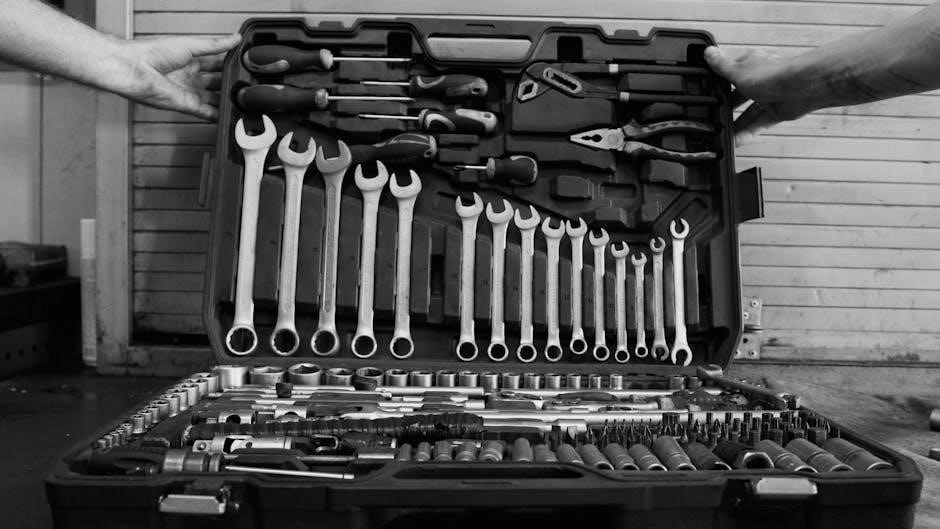
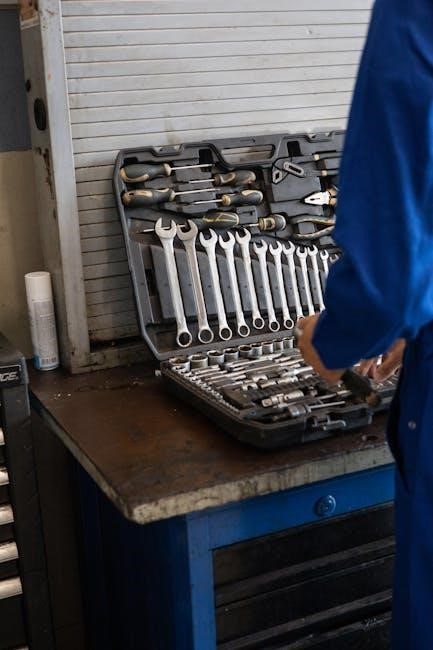
Performing Cessna 100 Series maintenance demands a comprehensive toolkit. Standard mechanic’s tools – wrenches‚ sockets‚ screwdrivers – are fundamental. Specialized equipment includes torque wrenches calibrated for aircraft specifications‚ safety wire pliers‚ and a multimeter for electrical system checks. Essential diagnostic tools encompass a compression tester for engine health assessment and a borescope for internal inspections. Access to a well-maintained aircraft jack and stands is vital for undercarriage work. Furthermore‚ corrosion treatment necessitates tools for surface preparation and application of protective coatings. Proper lubrication requires grease guns and oil dispensing equipment. Finally‚ a reliable source of technical documentation‚ including the service manual‚ is indispensable for accurate procedures and component identification.
Record Keeping and Logbook Entries
Meticulous record-keeping is paramount in Cessna 100 Series maintenance. All inspections‚ repairs‚ and alterations must be documented accurately in the aircraft’s logbooks – engine‚ airframe‚ and propeller. Entries should detail the work performed‚ date‚ mechanic’s certificate number‚ and any parts replaced‚ referencing the applicable service manual section. Compliance with Airworthiness Directives (ADs) requires specific logbook notation. Maintaining a separate maintenance release summarizing completed work is advisable. Proper documentation is crucial for tracking aircraft history‚ demonstrating continued airworthiness‚ and facilitating future maintenance. Detailed records support resale value and ensure transparency during inspections by aviation authorities. Accurate logbook entries are a legal requirement and a cornerstone of aviation safety.