
German Shepherd Feeding Guide: A Comprehensive Plan
Navigating Facebook issues, like connection problems or interface changes across different browsers (Opera, Internet Explorer, Facebook Lite), highlights user frustrations.
These range from persistent photo displays to inability to comment or like, demanding adaptable solutions.

German Shepherds, renowned for their intelligence, strength, and working ability, require a carefully considered nutritional plan to thrive. Their large breed status and predisposition to certain health concerns – such as hip and elbow dysplasia, bloat, and degenerative myelopathy – make proper feeding absolutely crucial throughout their lives. Unlike smaller breeds, German Shepherds experience rapid growth during puppyhood, necessitating a diet specifically formulated to support controlled, steady development.
A balanced diet isn’t simply about quantity; it’s about quality. It must provide the correct ratios of protein, fats, carbohydrates, vitamins, and minerals. Protein is vital for muscle development and repair, while fats provide energy and support healthy skin and coat. Carbohydrates offer a readily available energy source, and essential vitamins and minerals contribute to overall health and immune function.
Recent online discussions reveal common user frustrations with platforms like Facebook, including browser compatibility issues and interface changes. While seemingly unrelated, these instances underscore the importance of adaptability and finding solutions to ensure optimal functionality – a principle mirroring the need to adjust a German Shepherd’s diet based on their individual needs and life stage. Understanding these nutritional foundations is the first step towards ensuring a long, healthy, and active life for your German Shepherd companion.
II. Understanding German Shepherd Nutritional Needs

German Shepherds possess unique nutritional requirements stemming from their breed characteristics and activity levels. As a large, active breed, they need a higher caloric intake compared to smaller, less energetic dogs. However, simply providing more food isn’t enough; the composition of that food is paramount. They require a diet rich in high-quality animal protein – ideally around 22-26% for adults and 25-30% for puppies – to support muscle mass and overall health.
Fat content should be moderate, around 12-15%, providing essential fatty acids for skin and coat health. Carbohydrates should be complex, sourced from vegetables and grains, offering sustained energy release. Crucially, German Shepherds are prone to bloat (gastric dilatation-volvulus), a life-threatening condition. Therefore, diets should avoid ingredients that promote gas production and feeding practices should minimize rapid consumption.
Interestingly, online user experiences with Facebook – navigating browser issues and interface changes – demonstrate a need for adaptable solutions. Similarly, a German Shepherd’s nutritional needs evolve with age and activity. Monitoring their body condition and adjusting their diet accordingly is vital. Calcium and phosphorus ratios are also critical, especially during puppyhood, to ensure proper bone development and prevent skeletal issues.
III. Puppy Feeding (8-12 Weeks)
During the 8-12 week period, a German Shepherd puppy’s nutritional needs are exceptionally high, supporting rapid growth and development. Frequent, small meals are crucial – typically four meals daily; The food should be specifically formulated for large-breed puppies, containing controlled levels of calcium and phosphorus to prevent developmental orthopedic diseases like hip dysplasia. Look for a protein content of approximately 28-32% and fat around 15-20%.
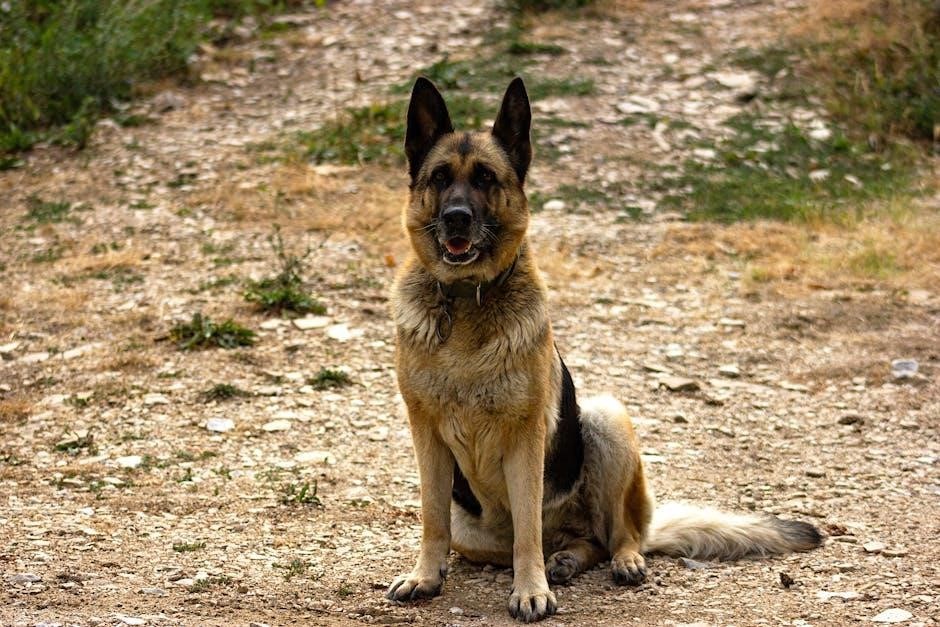
Initially, continue with the diet the puppy was receiving from the breeder or rescue organization. Gradual transitions to a new food are essential to avoid digestive upset. Wet food can be mixed with dry kibble to encourage consumption and provide additional hydration. Ensure fresh, clean water is always available. Portion sizes should be carefully measured, following the guidelines on the food packaging, but adjusted based on the puppy’s individual growth rate and body condition.

Similar to troubleshooting Facebook connection issues – requiring adaptable solutions – puppy feeding demands constant observation. Monitor the puppy’s weight and adjust food amounts accordingly. Avoid free-feeding, as it can lead to overeating and rapid growth. Socialization and a balanced diet are equally important during this critical developmental stage.
IV. Puppy Feeding (3-6 Months)
As your German Shepherd puppy progresses from 3 to 6 months, their growth rate, while still substantial, begins to slow down. Consequently, you can reduce the number of meals per day to three, maintaining consistent portion control. Continue feeding a large-breed puppy formula, prioritizing balanced nutrition to support healthy bone and joint development. Protein requirements remain high, around 26-30%, with moderate fat levels (14-18%).
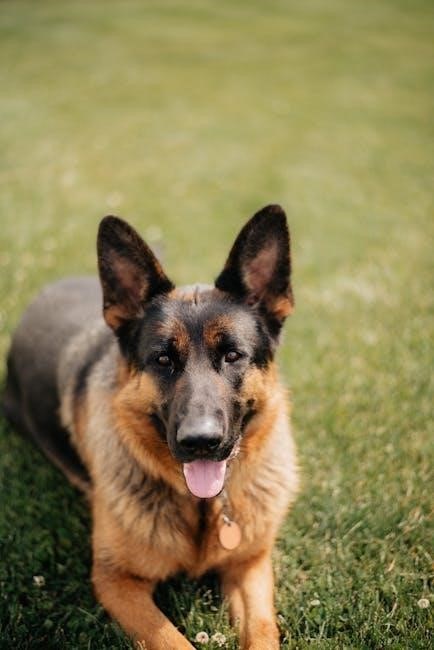
Monitoring body condition becomes increasingly important. You should be able to feel, but not easily see, your puppy’s ribs. Adjust food quantities based on their activity level and weight gain. Avoid overfeeding, as rapid growth can exacerbate the risk of orthopedic issues. Introduce interactive feeding toys to provide mental stimulation and slow down eating, preventing bloat – a life-threatening condition common in large breeds.
Much like resolving Facebook interface problems – requiring careful navigation – puppy feeding requires attentive observation and adjustments. Ensure access to fresh water at all times. Consider adding a small amount of plain yogurt or pumpkin puree to their diet for digestive health. Consistent monitoring and a high-quality diet are key to setting your German Shepherd up for a lifetime of health.
V. Adult German Shepherd Feeding (1-7 Years)
Once your German Shepherd reaches adulthood, typically around one year of age, their nutritional needs shift again. Transition to an adult maintenance formula designed for large breeds. Reduce feeding frequency to twice daily, ensuring consistent meal times. Protein requirements decrease slightly, to around 22-26%, while fat content can remain stable or be adjusted based on activity level.
Maintaining optimal weight is crucial for preventing joint problems and other health issues common in the breed. Regularly assess your dog’s body condition score – you should be able to feel their ribs with a slight fat covering. Adjust portion sizes accordingly. Active dogs will require more calories than less active ones. Consider the analogy to Facebook troubleshooting; a consistent approach yields the best results.
High-quality protein sources, like chicken, beef, or fish, should be primary ingredients. Avoid foods with excessive fillers or artificial additives. Ensure constant access to fresh, clean water. Monitor for any signs of food sensitivities, such as skin irritation or digestive upset, and consult your veterinarian if needed. A balanced diet is fundamental for a healthy, happy adult German Shepherd.
VI. Choosing the Right Dog Food: Dry Kibble
Dry kibble remains a popular choice for German Shepherd owners due to its convenience and cost-effectiveness; However, quality varies significantly. Prioritize formulas specifically designed for large breeds, as these account for the breed’s rapid growth and predisposition to joint issues like hip dysplasia. Look for brands with named meat sources (chicken, lamb, beef) as the primary ingredient, avoiding generic “meat by-products.”
Consider the ingredient list carefully. A good kibble will include wholesome grains or grain-free alternatives, along with essential vitamins and minerals. Glucosamine and chondroitin are beneficial for joint health. Pay attention to the protein and fat percentages, ensuring they align with your dog’s age and activity level. Similar to resolving Facebook connection issues, careful examination of details is key.
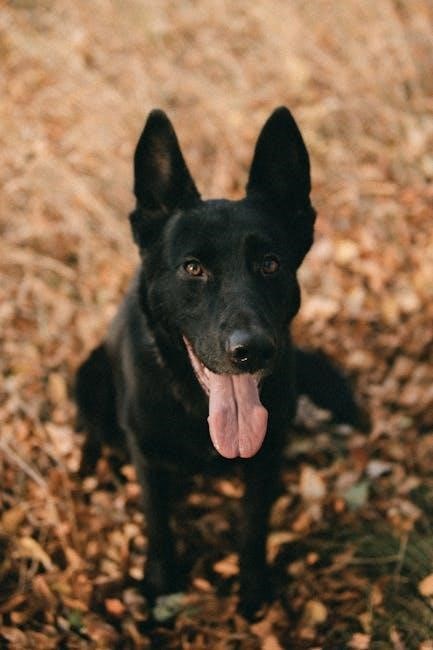
Check for AAFCO statements confirming the food meets nutritional standards; Read reviews from other German Shepherd owners. A higher price doesn’t always equate to higher quality, but extremely cheap kibble often lacks essential nutrients. Transition to a new kibble gradually to avoid digestive upset. Proper kibble selection is a cornerstone of your German Shepherd’s well-being.
VII. Choosing the Right Dog Food: Wet Food
Wet food, or canned food, offers several advantages for German Shepherds, primarily increased palatability and hydration. This can be particularly beneficial for picky eaters or dogs prone to urinary issues. Like selecting a compatible browser for Facebook – as users experienced with Opera or Facebook Lite – choosing the right wet food requires careful consideration.
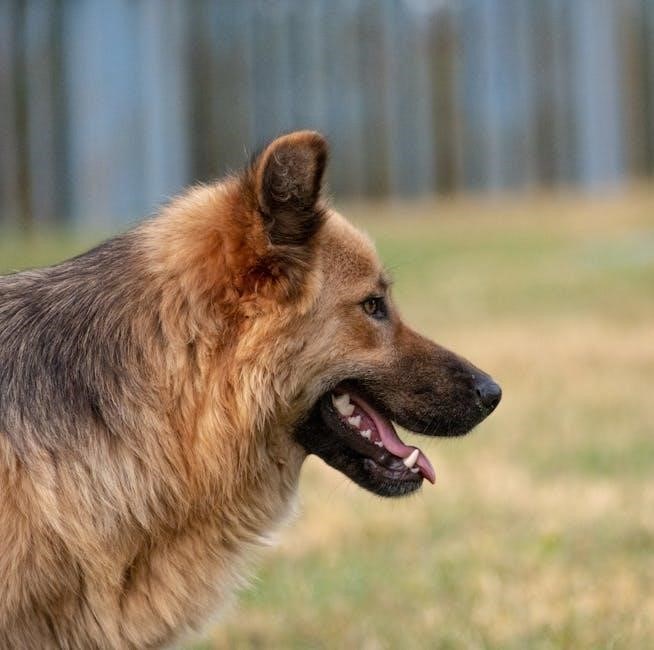
Examine the ingredient list closely, mirroring the criteria for dry kibble. Prioritize formulas with named meat sources as the primary ingredient and avoid excessive fillers or artificial additives. Look for options specifically formulated for large breeds. Wet food generally has a higher moisture content, contributing to overall hydration, which is crucial for kidney health.
Consider the protein and fat content, adjusting based on your dog’s activity level and age. While more expensive than kibble, wet food can be a valuable component of a balanced diet, especially when combined with dry food. Ensure proper storage after opening to maintain freshness and prevent spoilage. Transitioning should be gradual, just as adapting to Facebook interface changes requires time.

VIII. Raw Food Diet Considerations
A raw food diet, often referred to as BARF (Biologically Appropriate Raw Food), is gaining popularity among German Shepherd owners, mirroring the desire for customized online experiences – like users seeking specific Facebook Lite features. It typically consists of uncooked meat, bones, organs, and vegetables.
However, it’s crucial to approach this diet with extreme caution and thorough research. Improperly balanced raw diets can lead to nutritional deficiencies or bacterial contamination, similar to encountering unsupported browser warnings on Facebook. Sourcing high-quality ingredients is paramount, and meticulous hygiene is essential to prevent foodborne illnesses.
Consult with a veterinary nutritionist experienced in raw feeding to formulate a complete and balanced diet tailored to your German Shepherd’s individual needs. This includes appropriate calcium-to-phosphorus ratios and vitamin/mineral supplementation. Raw feeding requires significant time, commitment, and knowledge. It’s not a decision to be taken lightly, just as resolving Facebook connection issues demands patience and troubleshooting.
IX. Calculating Daily Calorie Needs
Determining your German Shepherd’s daily caloric intake is fundamental to maintaining optimal health, much like navigating the evolving Facebook interface requires understanding new features. A general guideline is to start with their ideal body weight and use a calorie density of approximately 500-600 calories per pound of body weight daily.
However, this is merely a starting point. Several factors influence calorie requirements, including age, activity level, metabolism, and overall health. A highly active working German Shepherd will require significantly more calories than a senior, less active dog. Puppies, experiencing rapid growth, also have higher caloric needs.

Utilize online calorie calculators as a helpful tool, but remember they provide estimates. Regularly monitor your dog’s body condition score (BCS) – a visual and tactile assessment of their fat cover – and adjust their food intake accordingly. Aim for a BCS of 4-5 out of 9, where ribs are easily palpable but not prominently visible. Consistent monitoring, like troubleshooting Facebook issues, is key.
X. Factors Affecting Calorie Requirements
Just as Facebook’s functionality varies across platforms (Lite, desktop, mobile), a German Shepherd’s caloric needs are highly individual. Age is a primary factor; puppies require more calories for growth, while seniors often need fewer due to decreased activity and metabolism. Activity level dramatically impacts needs – working dogs burn significantly more calories than couch potatoes.
Metabolism plays a crucial role, with some dogs naturally burning calories faster than others. Health conditions, such as hypothyroidism or digestive issues, can also alter requirements. Environmental factors, like cold weather, increase caloric expenditure as the dog works harder to maintain body temperature.
Reproductive status also matters; pregnant or lactating females have substantially increased caloric demands. Body condition score (BCS) influences needs – overweight dogs require fewer calories for weight loss, while underweight dogs need more for gain. Consistent monitoring and adjustments, similar to adapting to Facebook updates, are essential for optimal health.
XI. Feeding Schedule & Portion Control
Much like navigating Facebook’s evolving interface, establishing a consistent feeding schedule is key for a German Shepherd’s well-being. Puppies (8-12 weeks) typically require four meals daily, gradually reducing to three by six months. Adults (1-7 years) generally thrive on two meals per day, spaced evenly apart. Consistency aids digestion and prevents begging, mirroring the desire for a stable Facebook experience.
Portion control is paramount. Overfeeding leads to obesity, predisposing to joint problems and other health issues common in the breed. Use a measuring cup to ensure accurate portions, based on calculated daily calorie needs and the food’s caloric density. Avoid free-feeding, as it makes monitoring intake difficult.
Adjust portions based on activity level and body condition. Regularly assess your dog’s weight and adjust accordingly. Treats should comprise no more than 10% of daily calories. Like managing Facebook notifications, mindful portioning prevents unwanted consequences and promotes a healthy lifestyle.
XII. Monitoring Your German Shepherd’s Weight
Similar to troubleshooting Facebook connection issues, consistent monitoring of your German Shepherd’s weight is crucial for proactive health management. Regular weigh-ins – ideally monthly, or more frequently if adjustments are made to diet or exercise – provide valuable data. Utilize a pet scale or your veterinary clinic’s scale for accuracy.
Body Condition Scoring (BCS) is a more subjective, yet highly informative, assessment. Feel for your dog’s ribs; they should be easily palpable with a thin layer of fat. Observe their waistline from above – it should be visible. A score of 5/9 is ideal, indicating optimal weight. Like navigating Facebook’s privacy settings, understanding your dog’s body condition empowers informed decisions.
Sudden weight gain or loss warrants veterinary attention. These changes can signal underlying health problems. Document weight fluctuations and share this information with your vet during check-ups. Proactive monitoring, much like addressing Facebook account concerns promptly, prevents minor issues from escalating.
XIII. Common Feeding Mistakes to Avoid
Echoing the frustrations of Facebook users battling interface changes, several common feeding errors can negatively impact your German Shepherd’s health. Overfeeding is prevalent, leading to obesity and associated joint problems – a significant concern for this breed. Resist the urge to constantly fill the bowl; adhere to calculated daily calorie needs.
Feeding table scraps introduces inconsistent nutrition and potential toxins. Giving bones, especially cooked ones, poses a choking hazard and can cause digestive upset. Sudden diet changes disrupt gut health, mirroring the disruption caused by unexpected Facebook updates. Transition gradually over 7-10 days.
Ignoring ingredient lists can lead to unknowingly feeding low-quality food with fillers. Free-feeding (leaving food available all day) encourages overeating. Failing to adjust portions based on activity level is another mistake. Like diligently securing your Facebook account, mindful feeding habits are essential for your dog’s wellbeing.
XIV. Supplements for German Shepherds
Similar to troubleshooting Facebook connection issues, a proactive approach to supplementation can benefit German Shepherds. Glucosamine and chondroitin are crucial for joint health, especially given the breed’s predisposition to hip and elbow dysplasia. Start supplementation early, even in young, active dogs, as a preventative measure.
Omega-3 fatty acids, from fish oil or flaxseed oil, support skin and coat health, reducing inflammation and potentially easing arthritis symptoms. Probiotics promote gut health, aiding digestion and boosting the immune system – vital for overall wellbeing. Consider these if your dog experiences digestive sensitivities.
Vitamin E acts as an antioxidant, protecting cells from damage. However, avoid indiscriminate supplementation. Too much of certain vitamins can be harmful. Consult your veterinarian before adding any supplements to your German Shepherd’s diet, ensuring they complement, not duplicate, existing nutrients. Like carefully managing Facebook privacy settings, targeted supplementation is key.
XV. Feeding a German Shepherd with Health Conditions
Much like resolving Facebook access problems requires tailored solutions, dietary adjustments are paramount when a German Shepherd has health issues. For dogs with digestive sensitivities, a limited-ingredient diet with novel proteins (like duck or venison) can minimize allergic reactions. Easily digestible carbohydrates, such as sweet potato, are also beneficial.
German Shepherds prone to bloat (gastric dilatation-volvulus) require multiple small meals throughout the day instead of one large feeding. Avoid vigorous exercise immediately before or after eating. Elevated feeders can also help. Kidney disease necessitates a diet low in protein and phosphorus, carefully monitored by a veterinarian.
Pancreatitis demands a low-fat diet to reduce pancreatic stress. Arthritis benefits from omega-3 fatty acid supplementation and weight management to reduce joint strain. Always work closely with your vet to formulate a diet specifically addressing your dog’s condition, mirroring the precision needed to navigate Facebook’s evolving interface.
XVI. Transitioning to a New Food
Similar to troubleshooting Facebook Lite’s connection issues, a gradual food transition is crucial to avoid digestive upset in your German Shepherd. Abrupt changes can lead to diarrhea, vomiting, and loss of appetite – mirroring the frustration of a suddenly simplified Facebook interface.
Begin by mixing 25% of the new food with 75% of the old food for the first two days. Then, increase the new food to 50% and decrease the old food to 50% for days three and four. Continue this incremental increase over seven to ten days, ultimately reaching 100% of the new food.
Monitor your dog’s stool consistency throughout the transition. If diarrhea occurs, slow down the process or revert to the previous ratio for a few days. Smaller, more frequent meals during the transition can also aid digestion. Patience is key, just as it is when navigating Facebook’s ever-changing features, ensuring a smooth and stress-free experience for your canine companion.