
Cub Cadet ZT1 Transmission Belt Diagram PDF: A Comprehensive Guide
This guide provides detailed instructions and diagrams for understanding, locating, and replacing the transmission belt on your Cub Cadet ZT1 zero-turn mower.
The Cub Cadet ZT1 series represents a popular line of zero-turn riding mowers known for their durability, performance, and maneuverability. These mowers are widely used by homeowners and professionals alike for maintaining large properties efficiently. A key component contributing to the ZT1’s smooth operation is its robust transmission system, relying heavily on a belt to transfer power from the engine to the wheels.
Understanding the intricacies of this system, including the belt’s routing and potential failure points, is crucial for effective maintenance and repair. This guide focuses specifically on the transmission belt diagram for the ZT1 series, providing a resource for identifying components, troubleshooting issues, and performing necessary replacements. Proper belt maintenance ensures optimal cutting performance and extends the lifespan of your mower.
Understanding the ZT1 Transmission System
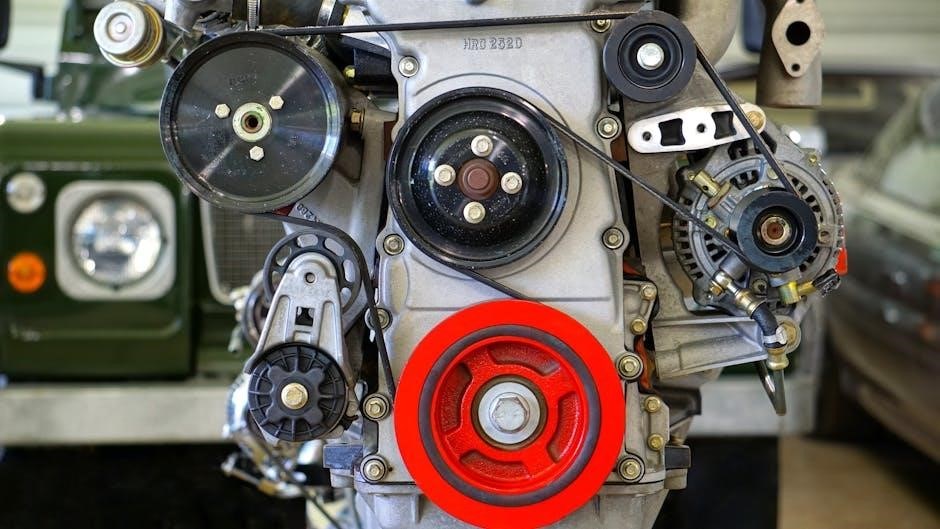
The Cub Cadet ZT1 transmission system utilizes a hydrostatic transmission, employing belts to transfer engine power to the rear wheels, enabling independent wheel speed control for zero-turn capability. This system consists of pulleys, an idler pulley for tension adjustment, and a durable belt specifically designed to withstand the stresses of mowing.
The belt’s path is critical; it connects the engine’s cooling fan to the transmission pulleys, ultimately driving the wheels. Proper belt tension is paramount for efficient power transfer and preventing slippage. A worn or damaged belt will manifest as reduced cutting power, unusual noises, or complete loss of drive. Understanding this system’s layout, as depicted in the ZT1 transmission belt diagram, is essential for diagnosing and resolving any related issues effectively.
Locating the Correct Diagram
Finding the precise diagram for your Cub Cadet ZT1 is crucial for accurate belt routing and replacement; model-specific diagrams ensure compatibility.
Identifying Your ZT1 Model Number
Accurately identifying your specific Cub Cadet ZT1 model number is the first, and arguably most important, step in locating the correct transmission belt diagram. This number differentiates your machine from others within the ZT1 series, ensuring you access diagrams tailored to your exact configuration.
The model number is typically found on a decal affixed to the mower’s frame. Common locations include:
- Under the seat
- On the front frame near the steering column
- On the mower deck itself
Look for a sticker or plate containing a series of numbers and letters. Record this number carefully, as even a single incorrect digit can lead to using the wrong diagram and potentially damaging your mower. Having this number readily available will streamline your search for the correct PDF diagram, whether on the official Cub Cadet website or through third-party resources.
Where to Find Official Cub Cadet Diagrams
The most reliable source for accurate Cub Cadet ZT1 transmission belt diagrams is the official Cub Cadet website. Navigate to their support section and utilize the model search function, entering your ZT1’s specific model number. This will filter results to diagrams specifically for your machine.
Cub Cadet often provides diagrams in PDF format, easily downloadable and printable for convenient use. You may need to register for a free account to access these resources.
Another avenue is contacting Cub Cadet’s customer support directly. They can often email you the appropriate diagram or guide you to the correct location on their website. Always prioritize official diagrams to ensure compatibility and avoid potential issues caused by inaccurate information from unofficial sources.
Third-Party Diagram Resources & Reliability
While numerous websites offer Cub Cadet ZT1 transmission belt diagrams, exercise caution regarding their reliability. These sources may contain inaccuracies, outdated information, or diagrams for slightly different models, leading to incorrect belt routing or tensioning.
Online forums and parts retailers often host user-submitted diagrams, which can be helpful but should be cross-referenced with official Cub Cadet documentation whenever possible. Always verify the diagram’s applicability to your exact ZT1 model number.
Prioritize official Cub Cadet diagrams for accuracy and safety. Third-party resources should be considered supplemental, not replacements, for manufacturer-provided information. Incorrect installation can damage your mower and void warranties.

Decoding the Diagram
Effectively interpreting the diagram requires identifying key components, understanding belt routing, and recognizing different belt types and sizes for proper installation.
Key Components Highlighted on the Diagram
The Cub Cadet ZT1 transmission belt diagram meticulously details several crucial components. You’ll clearly identify the drive belt itself, showcasing its path around the engine pulley, transmission pulleys, and idler pulleys.
The diagram also pinpoints the location of the transmission, often labeled with specific part numbers for easy identification. Furthermore, it highlights the engine pulley, responsible for initiating the power transfer, and the idler pulleys, which maintain proper belt tension.

Pay close attention to the labeling of the deck pulleys, as these connect the transmission to the mower deck. Finally, the diagram will often indicate the belt tensioning mechanism, crucial for ensuring optimal performance and preventing slippage. Understanding these components is vital for successful belt replacement.
Belt Routing and Tensioning
The Cub Cadet ZT1 transmission belt diagram illustrates the precise belt routing path, crucial for correct installation; Following this path ensures the belt engages all necessary pulleys – engine, transmission, and deck – for proper power transfer.
Proper tensioning is equally vital. The diagram often depicts the tensioning mechanism, typically a spring-loaded idler pulley. Correct tension prevents slippage during operation, maximizing cutting efficiency and minimizing belt wear.
Insufficient tension leads to power loss, while excessive tension strains the belt and bearings. The diagram may indicate the recommended belt deflection – the amount the belt moves when pressed between pulleys – for optimal performance. Always verify correct routing and tension after replacement.
Understanding Belt Types and Sizes

Cub Cadet ZT1 mowers utilize specific belt types, commonly V-belts or multi-ribbed belts, designed for high torque transmission. The diagram often specifies the exact belt designation – a series of letters and numbers – crucial for ordering the correct replacement.
Belt sizes are defined by length and width, impacting fit and performance. Using an incorrect size can lead to slippage, premature wear, or even damage to the transmission components. The diagram will typically display the belt’s length in inches, and width in fractions of an inch.
Always cross-reference the diagram’s belt specification with your ZT1 model number to ensure compatibility. Using the wrong belt can compromise the mower’s functionality and potentially void warranty coverage.

Replacing the Transmission Belt
This section details a step-by-step procedure for safely replacing the ZT1 transmission belt, utilizing the diagram for correct routing and tensioning.
Safety Precautions Before Starting
Before commencing any maintenance on your Cub Cadet ZT1, prioritizing safety is paramount. Always disconnect the spark plug wire(s) and remove the key to prevent accidental starting. Ensure the mower is parked on a level surface and the blades are cool to the touch.
Wear appropriate personal protective equipment (PPE), including safety glasses and work gloves, to shield your eyes and hands. Never work under the mower while it is supported only by a jack; always use jack stands for secure support. Be mindful of sharp edges and hot components. Consult the owner’s manual for specific safety guidelines related to your ZT1 model.
Properly dispose of old belts and any other waste materials. A safe working environment is crucial for a successful and injury-free belt replacement.
Tools Required for Belt Replacement
Successfully replacing the transmission belt on your Cub Cadet ZT1 requires a specific set of tools. You’ll need a socket wrench set, including sizes appropriate for the mower’s bolts and nuts. A belt removal tool is highly recommended for easing the old belt off the pulleys. A pair of pliers can assist with removing stubborn clips or fasteners.
A screwdriver set (Phillips and flathead) is essential for various disassembly steps. Jack stands are crucial for safely supporting the mower during the process. Gloves will protect your hands, and safety glasses are vital for eye protection. A penetrating oil spray can help loosen rusted bolts. Having a new belt readily available, matching your ZT1 model, is, of course, necessary!
Step-by-Step Belt Replacement Procedure
Begin by safely disconnecting the spark plug wire to prevent accidental starting. Securely lift the mower using a jack and support it with jack stands. Remove the deck cover to access the belt system. Carefully note the belt routing before removal – a diagram is invaluable here!
Use a belt removal tool to ease the old belt off the pulleys. Install the new belt, ensuring it’s correctly seated in all grooves, following the diagram. Double-check the routing and tension. Reinstall the deck cover and lower the mower. Reconnect the spark plug wire. Finally, test the mower in a safe area to confirm proper operation.

Troubleshooting Common Belt Issues
Identifying issues like slipping, fraying, or breakage is crucial. Proper diagnosis, referencing the diagram, ensures efficient repair and prevents further damage to the ZT1.
Signs of a Worn or Broken Belt
Recognizing the indicators of a failing transmission belt is vital for maintaining optimal performance of your Cub Cadet ZT1. Several telltale signs suggest a belt replacement is necessary. Firstly, observe for visible cracking or fraying along the belt’s edges – this indicates material degradation due to age and wear.
Secondly, listen for a distinct squealing or chirping sound during operation, particularly when engaging the blades or shifting between gears. This often signifies slippage. Thirdly, reduced cutting power or inconsistent blade speed are strong indicators of a worn belt struggling to maintain proper tension.
Finally, a completely broken belt will, of course, result in a loss of drive power. Regularly inspecting the belt, using your ZT1’s diagram as a reference, can prevent unexpected breakdowns and costly repairs. Ignoring these signs can lead to further damage to the transmission system.
Causes of Premature Belt Wear
Several factors contribute to the accelerated wear and tear of the transmission belt on your Cub Cadet ZT1 zero-turn mower. Firstly, improper belt tension is a primary culprit; too loose, and it slips, too tight, and it strains. Secondly, misalignment of the pulleys causes uneven stress and friction, shortening the belt’s lifespan.
Thirdly, operating the mower in excessively harsh conditions – like thick, wet grass or abrasive terrain – places undue stress on the belt. Fourthly, failing to regularly clean debris from the pulleys and belt grooves leads to increased friction and heat.
Finally, using incorrect belt replacements, not matching the specifications in your ZT1’s diagram, will result in premature failure. Consistent maintenance, proper operation, and using genuine Cub Cadet parts are crucial for maximizing belt longevity and preventing costly repairs.
Preventative Maintenance for Belt Longevity
Extending the life of your Cub Cadet ZT1 transmission belt requires a proactive maintenance schedule. Firstly, regularly inspect the belt for cracks, fraying, or glazing – signs of wear. Secondly, ensure proper belt tension according to the ZT1 diagram specifications; adjust as needed.
Thirdly, meticulously clean the pulleys and belt grooves after each use, removing grass clippings and debris. Fourthly, periodically check pulley alignment and address any misalignment promptly.
Finally, store the mower in a dry, sheltered environment to protect the belt from the elements. Utilizing a belt dressing specifically designed for rubber belts can also help maintain flexibility and reduce wear. Consistent attention to these details will significantly reduce the frequency of belt replacements and keep your ZT1 running smoothly.

PDF Specifics & Accessibility
The Cub Cadet ZT1 diagram PDF offers zoom functionality, printing options, and digital annotation tools for convenient use in the workshop or field.
Navigating a PDF Diagram
Successfully utilizing a Cub Cadet ZT1 transmission belt diagram in PDF format requires understanding its features. Most PDF viewers, like Adobe Acrobat Reader, offer a zoom function – crucial for examining intricate belt routing details. Utilize the scroll bars or mouse wheel to pan across the diagram, ensuring you view the entire layout.
Many diagrams are multi-page; use the page navigation tools (thumbnails or forward/back buttons) to access different sections or exploded views. Look for interactive elements like clickable parts lists that link to component information.
Familiarize yourself with the diagram’s layers, if available, allowing you to isolate specific systems; Remember to regularly save your place within the PDF, especially during extended troubleshooting sessions. A well-navigated diagram significantly simplifies the repair process.
Printing the Diagram for Use in the Field
When working directly on your Cub Cadet ZT1, a printed diagram proves invaluable. Before printing, verify the PDF viewer’s scaling options are set to “Actual Size” or “100%” to maintain diagram accuracy. Select “Print” and choose a paper size appropriate for the diagram’s dimensions – typically Letter or Legal.
Consider printing in grayscale to conserve ink, as color isn’t essential for belt routing. For durability in a workshop environment, print on heavier weight paper or laminate the diagram after printing.
Ensure the print quality is high enough to clearly distinguish between belt paths and component labels. A clear, legible printout minimizes errors during belt replacement and troubleshooting.
Digital Tools for PDF Annotation and Measurement
Utilizing digital tools enhances your interaction with the Cub Cadet ZT1 transmission belt diagram PDF. Software like Adobe Acrobat Reader DC allows for annotations – adding notes, highlights, and arrows directly onto the diagram for clarity. This is useful for marking worn components or planned adjustments.
Measurement tools within these programs enable you to verify belt lengths or distances between pulleys, ensuring correct replacement parts. Zoom functionality provides detailed views of complex routing sections.
Consider using a tablet or laptop in the field for easy access and manipulation of the digital diagram. Saving annotated versions creates a personalized, documented record of your maintenance process.

Resources and Support
Access official Cub Cadet support, online forums, and local dealers for assistance with your ZT1 transmission belt diagram and maintenance needs.
Cub Cadet Official Website & Support
The official Cub Cadet website is the primary resource for authentic ZT1 transmission belt diagrams and comprehensive support materials. You can typically find downloadable PDF manuals, parts lists, and interactive diagrams specific to your ZT1 model number.
Their support section offers troubleshooting guides, FAQs, and contact information for customer service representatives who can assist with locating the correct diagram or answering technical questions.
Registering your ZT1 mower on the Cub Cadet website unlocks access to personalized support and exclusive resources. Furthermore, Cub Cadet often provides online parts ordering, allowing you to conveniently purchase replacement belts and other components directly from the manufacturer, ensuring compatibility and quality. Don’t hesitate to utilize their extensive online resources for a seamless experience.
Online Forums and Communities
Numerous online forums and communities dedicated to lawn care and Cub Cadet equipment can be invaluable resources for finding ZT1 transmission belt diagrams and troubleshooting advice; These platforms often host experienced users who have successfully navigated belt replacements and can offer step-by-step guidance.
Searching these forums with specific keywords like “ZT1 belt diagram” or your model number will likely yield relevant threads and shared resources.
Be mindful of verifying information obtained from forums, as accuracy can vary. However, these communities provide a space to ask questions, share experiences, and potentially find diagrams not readily available elsewhere. Active participation and respectful interaction are key to benefiting from these collaborative environments.
Local Cub Cadet Dealers and Service Centers
Your local Cub Cadet dealers and authorized service centers represent a reliable source for obtaining the correct ZT1 transmission belt diagram for your specific model. They possess the official documentation and expertise to ensure accurate identification and guidance.
Visiting a dealer allows you to directly request a printed diagram or inquire about digital access.
Furthermore, service centers can perform the belt replacement for you, guaranteeing professional installation and peace of mind. While potentially incurring a service cost, this eliminates the risk of incorrect installation or damage. Don’t hesitate to contact your nearest dealer for assistance; their knowledge and resources are invaluable for maintaining your Cub Cadet ZT1.