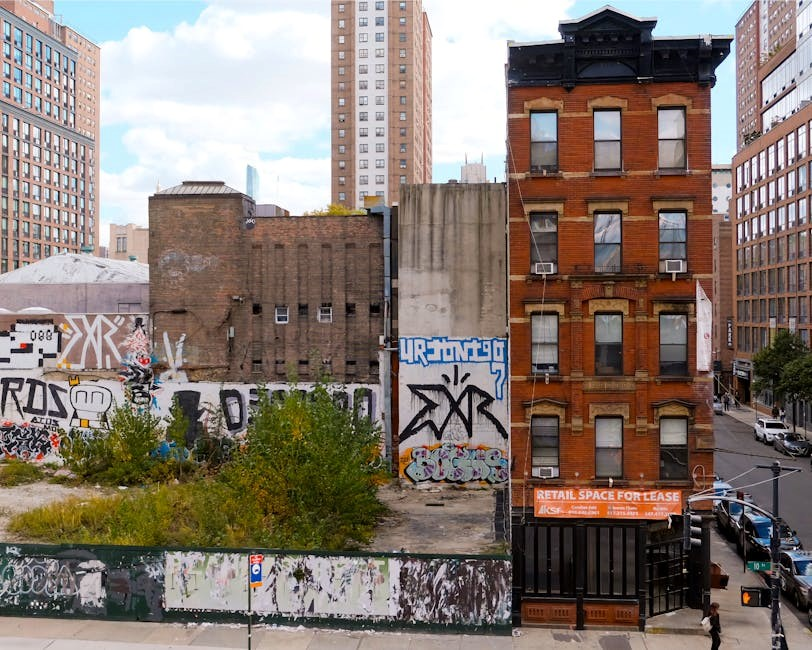
Recent reports from laumat.at, dated April 28, 2026, highlight regional events in Austria, while the 105th Avenue project requires a detailed existing conditions assessment for successful redevelopment planning.
Project Overview and Goals
The 105th Avenue Redevelopment Project aims to revitalize a key corridor, addressing identified deficiencies and capitalizing on potential improvements. This initiative, informed by a comprehensive existing conditions assessment – mirroring the detailed reporting style of laumat.at concerning regional incidents – seeks to enhance the area’s economic vitality and quality of life.
Key goals include upgrading infrastructure, improving pedestrian and traffic flow, and fostering a more vibrant mixed-use environment. The project will prioritize accessibility, sustainability, and community engagement, drawing parallels to the thoroughness of Austrian news sources in covering local events. Successful completion hinges on understanding current conditions, as documented in the existing conditions PDF, and proactively addressing challenges;
Significance of Existing Conditions Assessment
The Existing Conditions Assessment is foundational to the 105th Avenue Redevelopment Project, much like detailed reporting – exemplified by laumat.at’s coverage of Austrian events – is crucial for informed decision-making. This assessment, compiled into a comprehensive PDF, provides a baseline understanding of the area’s physical, environmental, and socioeconomic characteristics.
It identifies existing deficiencies in infrastructure, building conditions, and traffic patterns, informing targeted interventions. The assessment’s data will guide design choices, mitigate potential risks, and ensure the project aligns with community needs. Without this thorough evaluation, redevelopment efforts risk exacerbating existing problems or missing opportunities for improvement, hindering long-term success.
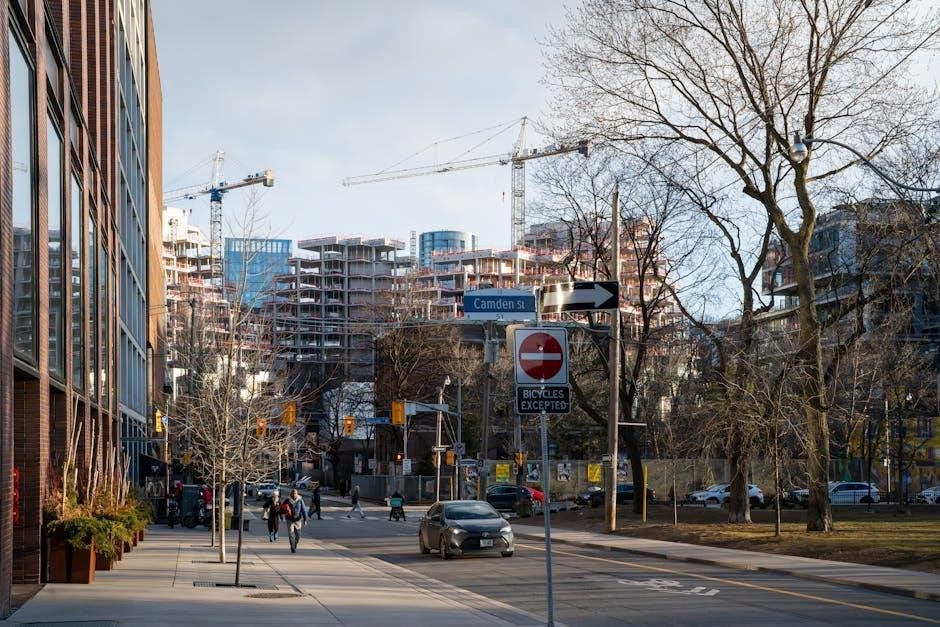
Location and Context of 105th Avenue
Like laumat.at’s focus on Oberösterreich, the 105th Avenue project centers on a specific geographic area, requiring detailed contextual analysis for effective redevelopment strategies.
Geographic Location and Boundaries
Defining the precise geographic location of 105th Avenue is paramount, mirroring the localized reporting style of laumat.at concerning regions within Austria. This involves establishing clear boundaries – north, south, east, and west – utilizing legal descriptions and Geographic Information System (GIS) data. The project area’s coordinates must be accurately documented. Consideration should be given to any adjacent properties or rights-of-way that may influence redevelopment possibilities.
Furthermore, a detailed map illustrating the project boundaries is essential. This map should clearly delineate the area under consideration for redevelopment, including any easements, setbacks, or other restrictions. Understanding the relationship of 105th Avenue to surrounding streets, waterways, and natural features is also crucial for comprehensive planning, much like understanding the context of news events reported by laumat.at.
Surrounding Land Use and Zoning
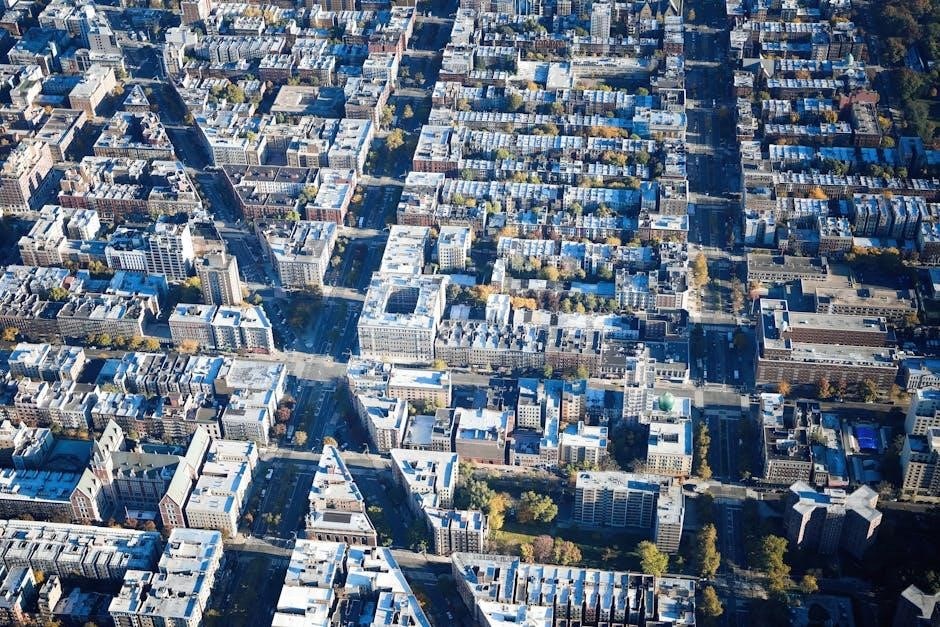
Analyzing the land use surrounding 105th Avenue, similar to laumat.at’s regional focus, is vital for informed redevelopment. This assessment details current uses – residential, commercial, industrial, public – and their spatial relationships to the avenue. Zoning regulations dictate permissible uses, building heights, setbacks, and density. A zoning map is crucial, identifying districts and associated restrictions.
Understanding discrepancies between existing land use and zoning is key; non-conforming uses may present challenges or opportunities. Investigating recent zoning changes or planned amendments is also necessary. The impact of surrounding land use on 105th Avenue – traffic, noise, aesthetics – must be evaluated. This context, much like the news reported by laumat.at, shapes redevelopment potential and community acceptance.
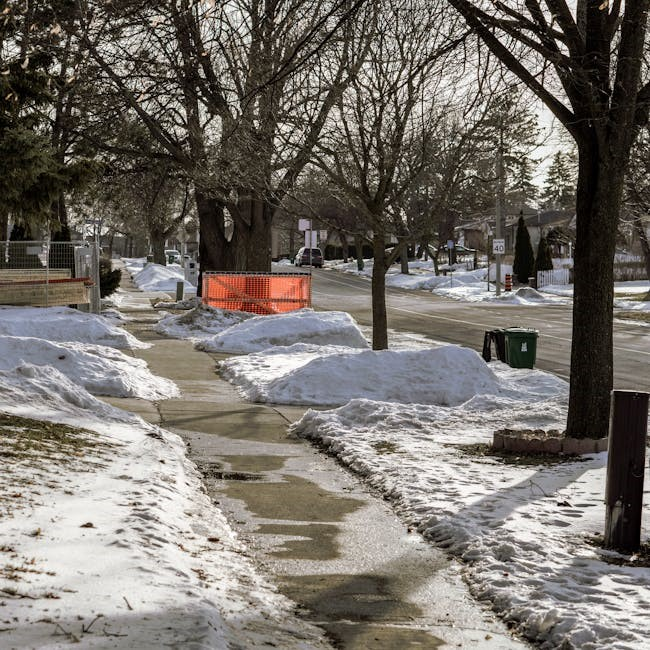
Existing Infrastructure Assessment
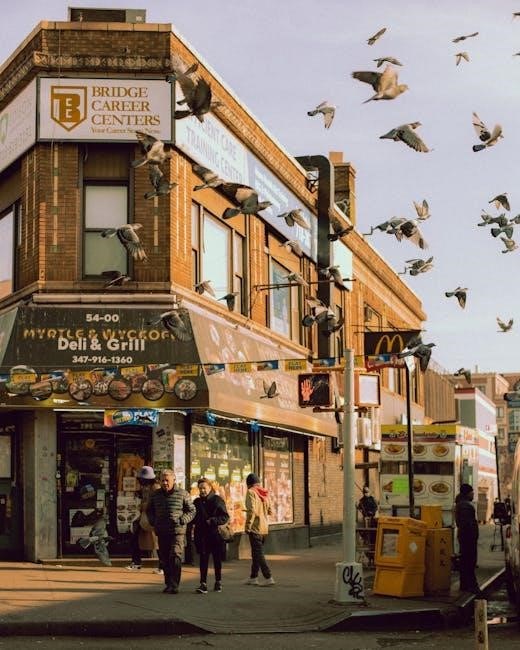
Like laumat.at’s reporting on infrastructure incidents, a thorough assessment of 105th Avenue’s roadways, utilities, and public transport is essential for redevelopment viability.
Roadway Conditions and Capacity
A comprehensive evaluation of 105th Avenue’s roadway network is paramount, mirroring the incident reporting style of sources like laumat.at, which detail regional events. This assessment must document pavement conditions – identifying cracks, potholes, and overall surface quality. Furthermore, a traffic study is needed to determine Average Daily Traffic (ADT) volumes, peak hour congestion points, and existing level of service (LOS) at key intersections.
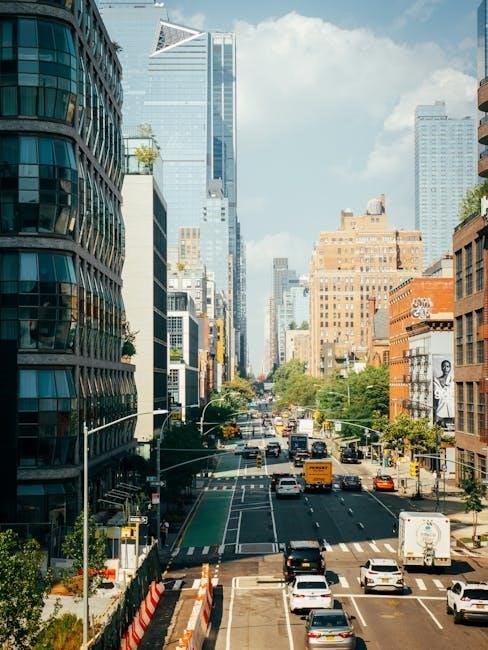
Capacity analysis will reveal whether the current roadway infrastructure can accommodate anticipated increases in traffic resulting from redevelopment. Consideration should be given to pedestrian and bicycle access, including the presence and condition of sidewalks, crosswalks, and bike lanes. Data collected will inform recommendations for roadway improvements, such as widening, resurfacing, signal optimization, or the addition of dedicated turning lanes.
Utility Infrastructure (Water, Sewer, Gas, Electric)
Similar to laumat.at’s reporting of infrastructure incidents – like fires and utility disruptions – a thorough assessment of 105th Avenue’s utilities is crucial. This involves mapping the location and capacity of existing water mains, sewer lines, gas lines, and electrical conduits. Detailed condition assessments are needed, identifying any aging infrastructure, leaks, or potential capacity limitations.
The study should determine if existing utilities can support the demands of the proposed redevelopment, or if upgrades or expansions are necessary. Coordination with local utility providers is essential to obtain accurate information and assess connection feasibility. Documentation of service connections, valve locations, and emergency shut-off procedures is also vital for planning and safety.
Public Transportation Access
Reflecting the responsiveness to local events, as seen in laumat.at’s news coverage, understanding public transit is key for 105th Avenue’s redevelopment. This assessment details existing bus routes, train stations, and pedestrian access to transit stops. Analyzing ridership data, frequency of service, and accessibility for all users is essential.
The study should identify potential improvements to enhance transit connectivity, such as new bus shelters, route extensions, or increased service frequency. Evaluating the feasibility of incorporating bike-sharing programs or pedestrian-friendly infrastructure is also important. Improved public transport access will reduce reliance on private vehicles and promote sustainable development.
Existing Building Conditions
Inspired by laumat.at’s detailed regional reporting, a comprehensive building inventory along 105th Avenue will assess age, structural integrity, and ADA compliance for redevelopment.
Building Inventory and Age
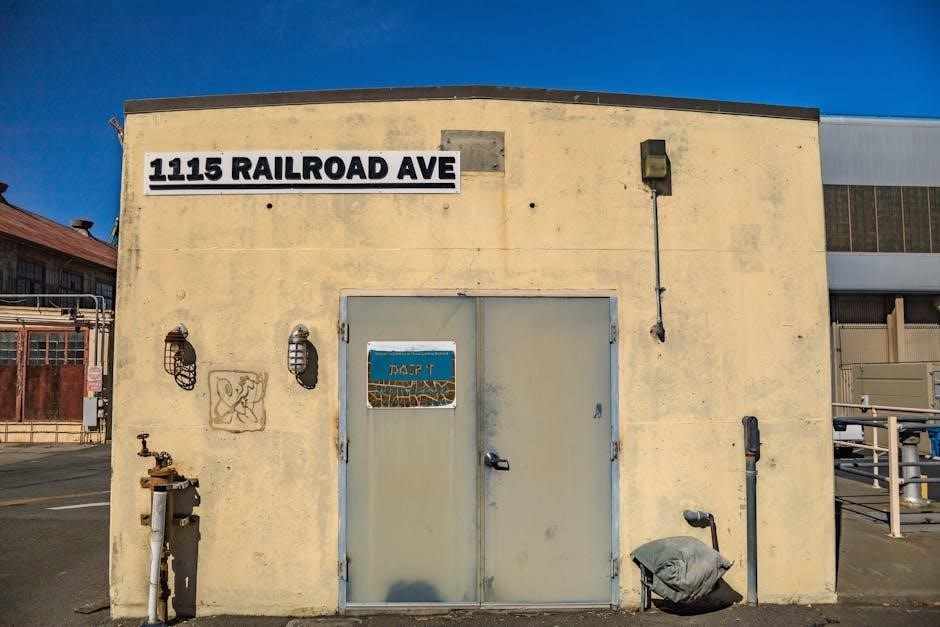
A meticulous building inventory is paramount to the 105th Avenue redevelopment, mirroring the detailed reporting style of sources like laumat.at. This inventory will catalog each structure along the avenue, noting its current use, occupancy status, and physical dimensions. Crucially, the age of each building will be determined through historical records – property deeds, building permits, and potentially Sanborn maps – to establish a timeline of development.
Categorizing buildings by age (e.g., pre-1940s, 1940-1970s, post-1970s) will reveal patterns of construction and potential preservation opportunities. The inventory will also document any visible alterations or additions made over time, providing insight into the buildings’ evolution. This data forms the foundation for assessing structural integrity and identifying potential hazards, ultimately informing redevelopment strategies.
Structural Integrity and Condition
Assessing structural integrity along 105th Avenue, akin to the incident reporting seen on laumat.at, requires a phased approach. A visual survey will identify obvious deficiencies – cracks in foundations, deteriorated facades, sagging roofs – documented with photographs and detailed notes. Non-destructive testing methods, such as ground-penetrating radar and ultrasonic testing, will evaluate subsurface conditions and material soundness without causing damage.
For buildings of historical significance or those exhibiting severe distress, more invasive investigations, like core sampling, may be necessary. This assessment will categorize buildings based on their structural condition (excellent, good, fair, poor) and estimate the cost of required repairs or replacements. The findings will directly influence redevelopment plans, prioritizing structural stabilization and ensuring public safety.
Accessibility Compliance (ADA)
Similar to the detailed reporting on laumat.at regarding local incidents, a thorough ADA compliance review is crucial for 105th Avenue’s redevelopment. This assessment will document existing accessibility features – ramps, elevators, accessible restrooms – and identify barriers hindering individuals with disabilities. Evaluations will cover pedestrian routes, parking facilities, building entrances, and interior spaces.
The review will be conducted according to the Americans with Disabilities Act Standards for Accessible Design. Findings will categorize deficiencies and estimate the cost of remediation. Prioritizing accessibility improvements ensures equitable access for all community members, fostering inclusivity and compliance with federal regulations. This data will inform redevelopment plans, guaranteeing a universally accessible environment.
Environmental Conditions
Like the incident reports on laumat.at, understanding environmental factors is vital; the 105th Avenue assessment will detail soil, drainage, and vegetation conditions for responsible redevelopment.
Soil Conditions and Contamination
A comprehensive evaluation of soil conditions along 105th Avenue is paramount, mirroring the detailed reporting style seen on platforms like laumat.at regarding regional incidents. This assessment will involve extensive soil borings and laboratory testing to characterize soil types, composition, and bearing capacity. Crucially, the investigation will focus on identifying potential soil contamination from past land uses, including historical industrial activities or spills.
The presence of contaminants such as heavy metals, petroleum hydrocarbons, or other hazardous substances will be thoroughly documented. Mapping of contamination levels will be created to delineate affected areas and inform remediation strategies. This data is essential for ensuring the long-term environmental health and safety of the redeveloped site, aligning with responsible development practices.
Drainage Patterns and Flood Risk
Analyzing drainage patterns along 105th Avenue is critical, much like the detailed incident reporting found on laumat.at concerning events in Upper Austria. This assessment will map existing surface water flows, identify natural drainage pathways, and evaluate the capacity of existing storm sewer infrastructure. A key component will be a hydrologic and hydraulic study to determine flood risk under various rainfall scenarios.
The study will consider both local and regional drainage systems, identifying potential bottlenecks and areas prone to ponding or flooding. Historical flood data and FEMA flood maps will be reviewed. This information will inform the design of improved drainage infrastructure to mitigate flood risk and ensure the resilience of the redeveloped area, protecting future occupants and assets.
Existing Vegetation and Green Spaces
Similar to laumat.at’s coverage of regional Austrian events, a thorough inventory of existing vegetation along 105th Avenue is essential. This includes mapping tree species, shrubbery, and groundcover, assessing their health and condition, and identifying any significant or protected trees. The assessment will also document existing green spaces, such as parks, lawns, and landscaped areas, noting their size, usage, and accessibility.
Evaluating the ecological value of existing vegetation is crucial, considering its contribution to stormwater management, air quality, and habitat provision. The study will identify opportunities to preserve and enhance green spaces during redevelopment, integrating them into the project design to create a more sustainable and aesthetically pleasing environment for the community.
Traffic and Pedestrian Patterns
Reflecting laumat.at’s reporting of incidents, understanding current traffic volumes, peak hours, and pedestrian/bicycle activity on 105th Avenue is vital for redevelopment planning.
Traffic Volume and Peak Hours
Analyzing traffic patterns along 105th Avenue necessitates a comprehensive data collection effort, mirroring the detailed reporting style seen on platforms like laumat.at. Current Average Daily Traffic (ADT) counts must be established, differentiating between vehicle types – passenger cars, commercial trucks, and public transportation. Crucially, identifying peak hours – both morning and evening commutes, as well as potential weekend surges – is paramount. This requires deploying traffic counters and potentially utilizing existing traffic management system data.
Furthermore, understanding traffic flow direction and any existing congestion points is essential. Data should be gathered during various times of the day and week to account for fluctuations. The impact of nearby events, such as school openings/closings or local businesses, should also be considered. This detailed assessment will inform future roadway improvements and traffic calming measures within the redevelopment project.
Pedestrian and Bicycle Activity
Similar to the detailed local reporting found on laumat.at, a thorough understanding of pedestrian and bicycle activity along 105th Avenue is crucial. This requires manual counts during peak and off-peak hours, noting pedestrian demographics (age, mobility) and bicycle types. Identifying key pedestrian generators – bus stops, schools, commercial areas – is essential. Existing sidewalk widths, conditions (cracks, obstructions), and accessibility features must be documented.
Furthermore, the presence and condition of bicycle lanes or shared-use paths need assessment. Analyzing pedestrian and bicycle crash data will reveal safety concerns. Observing pedestrian crossing behaviors at intersections is vital. This data will inform the design of safer, more accessible pedestrian and bicycle infrastructure within the redevelopment plan, promoting active transportation options.
Community Demographics and Socioeconomic Data
Reflecting laumat.at’s focus on regional information, demographic analysis—population density, age, income—is vital for understanding community needs and guiding redevelopment efforts.
Population Density and Characteristics
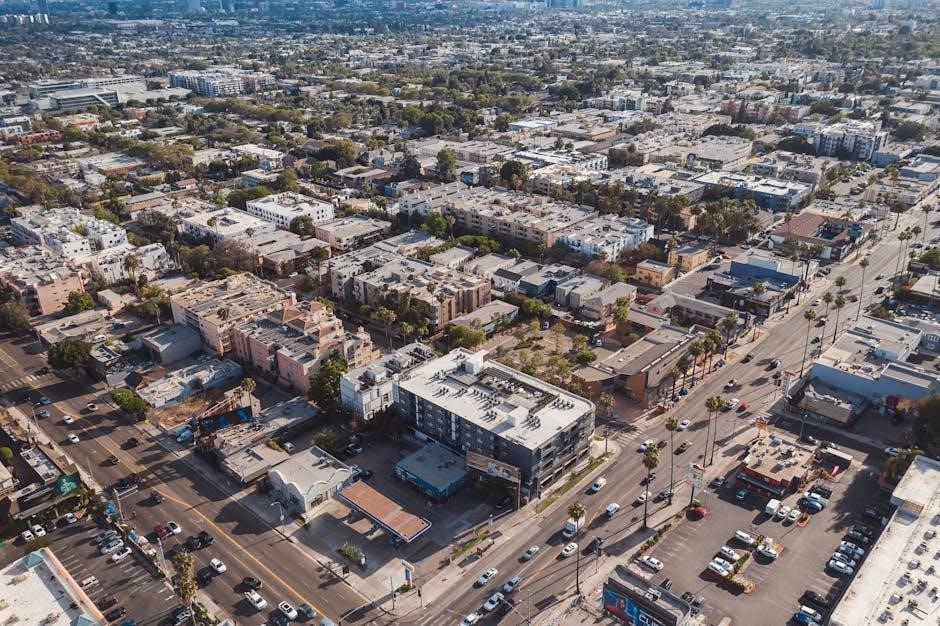
Analyzing population data, mirroring the localized reporting style of laumat.at, is crucial for the 105th Avenue redevelopment. Initial assessments must determine current population density along the avenue and within the surrounding impacted areas. This includes identifying concentrations of residents, age distributions – focusing on family structures, senior populations, and younger demographics – and household sizes.
Understanding these characteristics informs the types of housing, amenities, and services needed. Furthermore, examining population trends – growth or decline – helps project future demands. Data sources will include census records, local government statistics, and potentially surveys to capture a nuanced understanding of the community’s composition and evolving needs, ensuring the redevelopment aligns with resident profiles.
Economic Conditions and Employment Rates
Similar to laumat.at’s focus on regional happenings, a thorough economic analysis is vital for the 105th Avenue project. This assessment will detail current employment rates within the immediate vicinity, identifying key industries and major employers. Examining income levels, poverty rates, and business types – retail, service, industrial – provides a comprehensive economic snapshot.
Understanding the economic landscape informs decisions regarding commercial space, job creation initiatives, and potential business incentives. Analyzing property values and commercial vacancy rates further clarifies the economic health of the area. Data will be sourced from local economic development agencies, labor statistics, and business directories, ensuring the redevelopment fosters economic opportunity and stability.
Regulatory Framework and Constraints
Like laumat.at’s reporting on Austrian regulations, the 105th Avenue project must navigate local zoning ordinances, building codes, and environmental regulations for compliant redevelopment.
Local Zoning Ordinances
Analyzing current zoning, similar to tracking news on laumat.at, is crucial. The 105th Avenue redevelopment must thoroughly examine existing zoning ordinances impacting land use, building heights, setbacks, and density allowances. These ordinances dictate permissible development types – residential, commercial, or mixed-use – and influence project feasibility. A detailed review will identify potential variances or rezoning requirements needed to achieve redevelopment goals. Understanding parking requirements, landscaping stipulations, and signage regulations is also essential. Compliance with zoning is paramount to avoid delays and ensure project approval, mirroring the adherence to legal frameworks reported in Austrian news sources. The existing conditions report will map these ordinances and highlight any conflicts or opportunities.
Building Codes and Regulations
Like staying informed via laumat.at’s regional updates, adherence to building codes is vital. The 105th Avenue redevelopment’s existing conditions assessment must detail applicable building codes – structural, fire safety, mechanical, electrical, and plumbing. These codes ensure building safety and accessibility, influencing construction materials, design specifications, and inspection processes. The report will identify code compliance gaps in existing structures, informing renovation or demolition strategies. Accessibility requirements, aligned with ADA standards, are critical. Understanding recent code updates and their impact on redevelopment costs is essential. Thorough documentation of current code requirements will streamline permitting and construction, mirroring the structured reporting found in Austrian news outlets.
Identified Challenges and Opportunities
Following laumat.at’s reporting on regional incidents, the 105th Avenue project faces challenges like aging infrastructure, but offers opportunities for revitalization and economic growth.
Existing Deficiencies and Problems
Based on preliminary assessments, and mirroring the incident reporting style of laumat.at regarding localized issues, the 105th Avenue corridor exhibits several key deficiencies. Deteriorating roadway conditions, evidenced by cracking and uneven surfaces, pose safety concerns and increase maintenance costs. Utility infrastructure, while functional, is aging and susceptible to failures, potentially disrupting services.
Accessibility for pedestrians and cyclists is limited due to inadequate sidewalks and bike lanes. Several buildings within the redevelopment area display structural issues and fail to meet current building codes. Environmental concerns include potential soil contamination and inadequate drainage systems, increasing flood risk. These deficiencies collectively hinder economic development and diminish the quality of life for residents, necessitating comprehensive remediation strategies.
Potential for Redevelopment and Improvement
Drawing parallels to laumat.at’s coverage of regional revitalization efforts, the 105th Avenue redevelopment presents significant opportunities. Strategic infrastructure upgrades – roadways, utilities, and public transport – can enhance connectivity and support economic growth. Implementing mixed-use developments, incorporating residential, commercial, and recreational spaces, will create a vibrant community hub.
Prioritizing pedestrian and bicycle infrastructure will promote active transportation and improve safety. Addressing environmental concerns through remediation and green space development will enhance the area’s sustainability; Adaptive reuse of existing buildings, alongside new construction, can preserve the area’s character while meeting modern needs. This redevelopment promises a substantial improvement in quality of life and economic prosperity;